

Call us now
08045813709
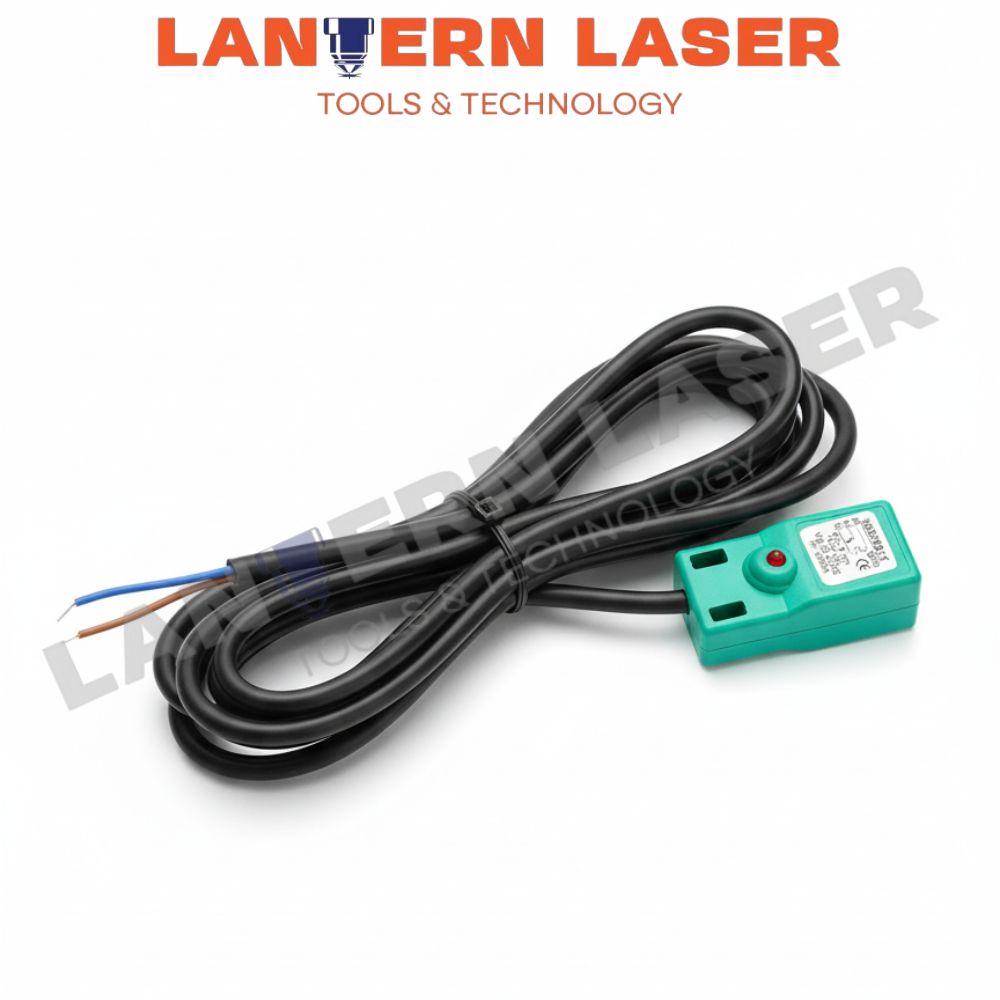
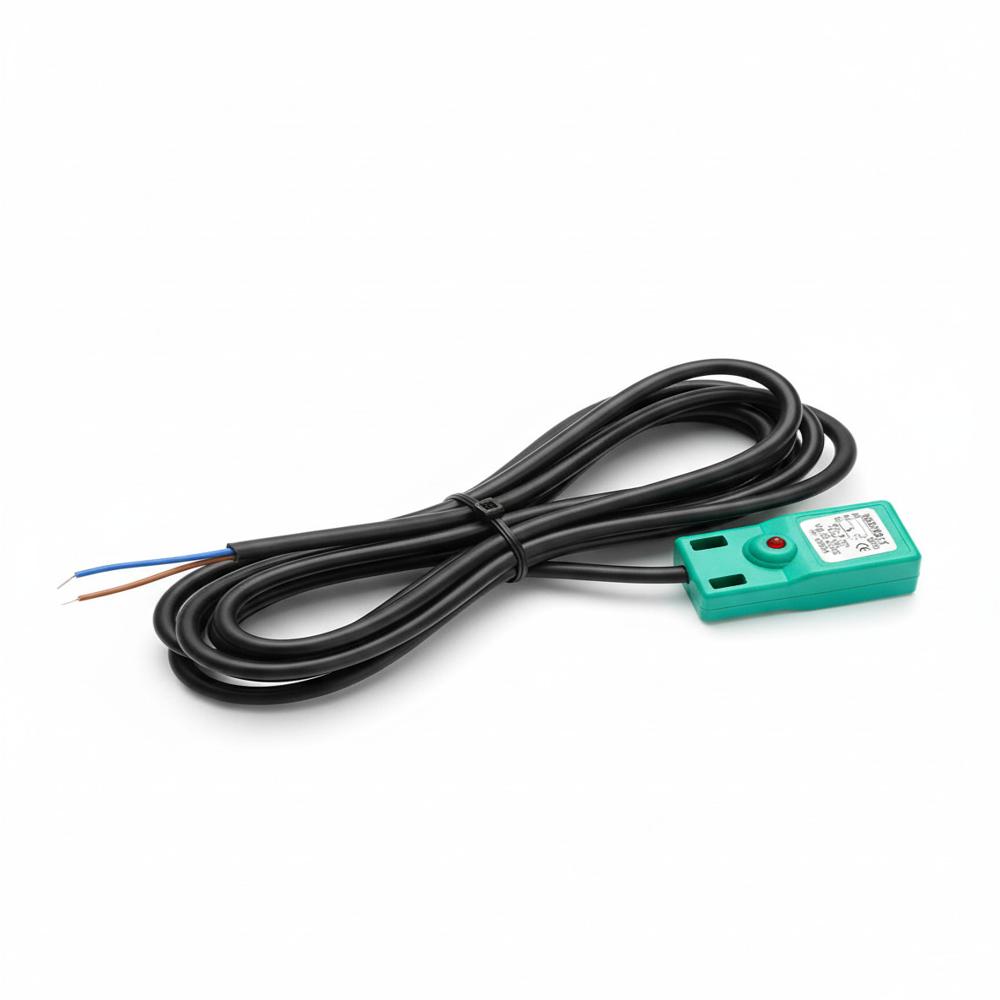
A PNP sensor is a type of proximity sensor commonly used in industrial and automation applications. The term PNP refers to the type of transistor configuration used in the sensor, specifically indicating a Positive-Negative-Positive (PNP) setup. In a PNP sensor, the output is activated when the sensor detects an object and sends a signal to the connected system by providing a positive voltage (typically 24V DC) to the load.
In a PNP sensor, the sensor's output transistors are connected to the positive voltage, meaning that when the object is detected, the sensor provides a positive signal, allowing current to flow to the output. This makes PNP sensors suitable for use with systems that are designed to work with positive switching signals.
Key Features:
1. What is the function of a PNP sensor?
A PNP sensor detects the presence of an object and sends a positive voltage signal to a connected device, such as a controller or actuator. This allows the system to react to the object's presence, often triggering an action such as starting or stopping a process, activating an alarm, or moving equipment.
2. How does a PNP sensor work?
In a PNP sensor, the sensor detects an object and triggers the output by providing a positive voltage (typically 24V DC) to the load. This positive voltage allows the circuit to complete, activating the connected device. The sensor operates without physical contact, making it ideal for automation and precision applications.
3. What is the difference between PNP and NPN sensors?
The main difference between PNP and NPN sensors lies in their output configuration. In a PNP sensor, the output is positive (providing a voltage signal), while in an NPN sensor, the output is negative (pulling the signal to ground). PNP sensors are generally used in systems where positive voltage switching is required, while NPN sensors work in systems with negative voltage switching.
4. Where are PNP sensors typically used?
PNP sensors are commonly used in industrial automation, robotics, conveyor systems, and safety applications. They are used to detect objects, positions, and material presence in manufacturing lines, as well as in control systems that require positive voltage signals for operation.
5. Can a PNP sensor detect all types of materials?
PNP sensors are typically designed to detect specific materials, such as metals (for inductive sensors) or any object that can influence the sensors electromagnetic field. Some PNP sensors can detect both metal and non-metal objects, depending on the type of sensor (inductive, capacitive, etc.).
6. What are the advantages of using a PNP sensor?
The main advantages of using a PNP sensor include easy integration with control systems, durability, and the ability to detect objects without physical contact, reducing wear and tear. They are also highly reliable in harsh environments such as industrial and factory settings.



Price:
Price 2500.0 INR / Unit
Minimum Order Quantity : 1 Unit
Weight (kg) : 20 Gram (g)
General Use : INDUSTRIAL
Surface Treatment : Polishing
Color : TRANSPERENT
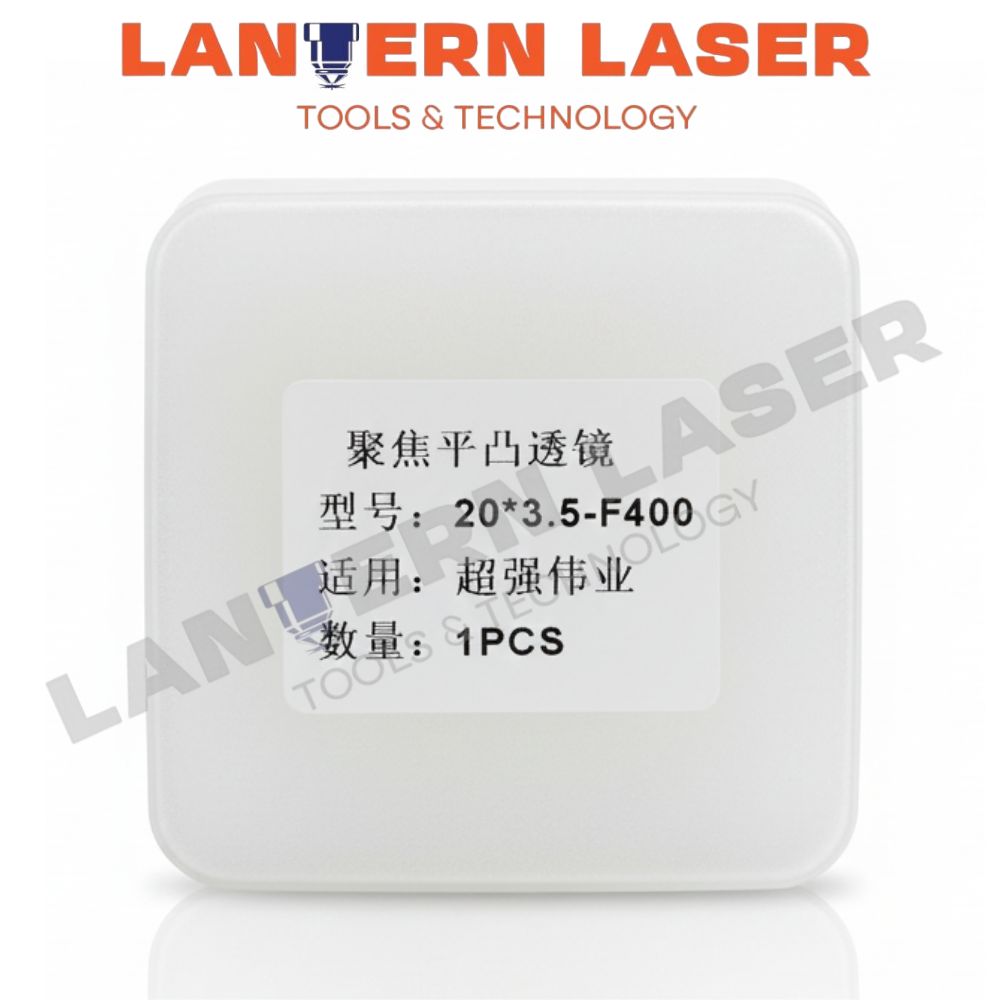
Price 2500.0 INR / Unit
Minimum Order Quantity : 1 Unit
Weight (kg) : 20 Gram (g)
General Use : INDUSTRIAL
Surface Treatment : Polishing
Color : TRANSPERENT
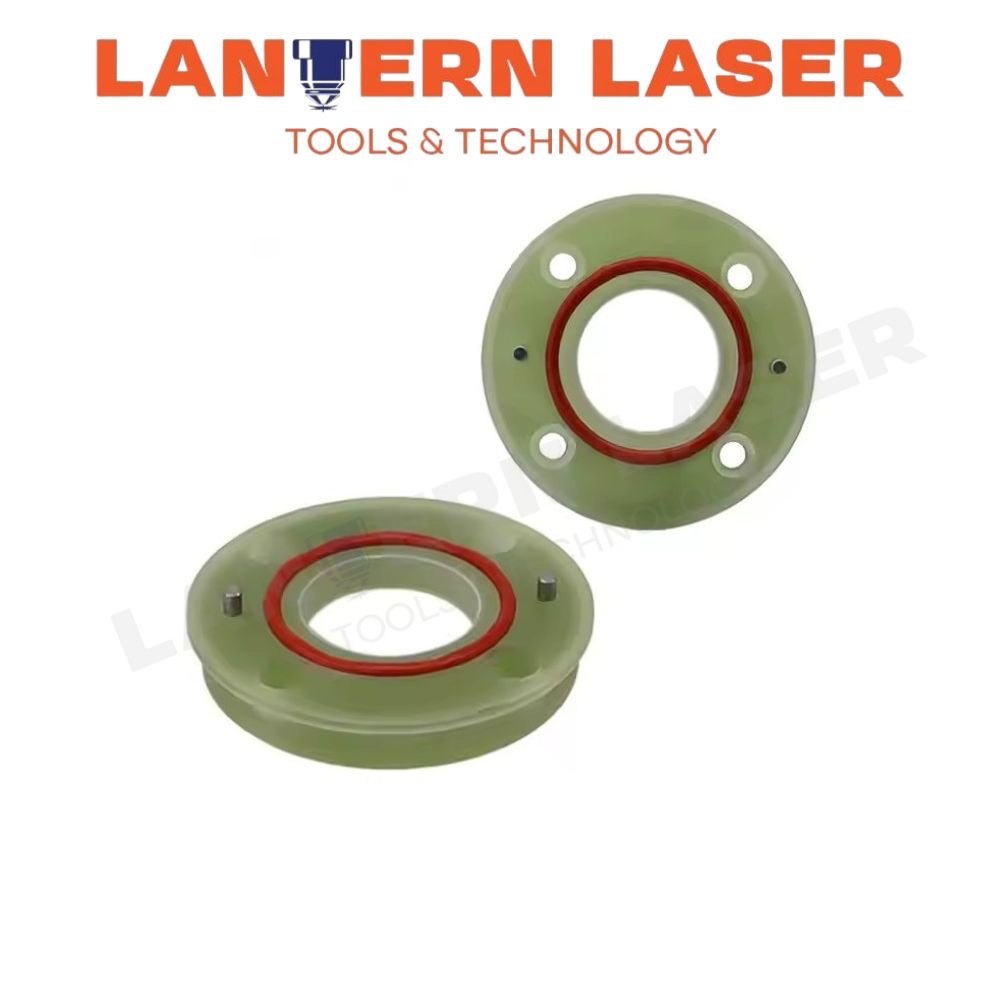
Price 1500.0 INR / Unit
Minimum Order Quantity : 1 Unit
Weight (kg) : Varies as per size, typically 0.05 0.5 kg
General Use : Electrical insulation in transformer and motor assemblies
Surface Treatment : Other, Smooth finish, anticorrosive
Color : Red, Brown, or as specified
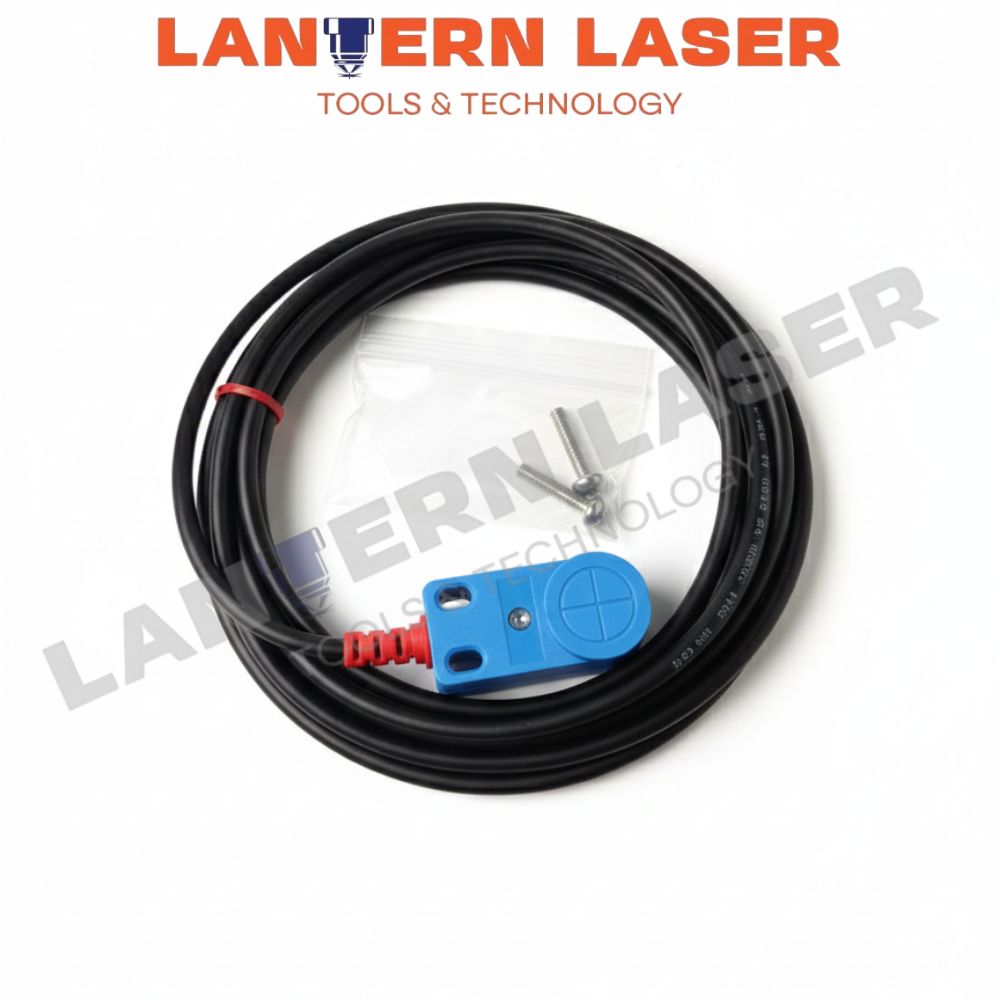
Price 2050.0 INR / Piece
Minimum Order Quantity : 1 Piece
Weight (kg) : 15 Gram (g)
General Use : INDUSTRIAL
Surface Treatment : Other
Color : BLACK AND BLUE


 Send Inquiry

 Send Inquiry
 Send Inquiry
 Send SMS